Seed phrase vs private key: what each one controls
Your seed phrase can recreate every account in a wallet; a private key controls one address. Knowing the difference tells you what to protect most.
By CoinGeography Editorial Team
Published · 2 min read
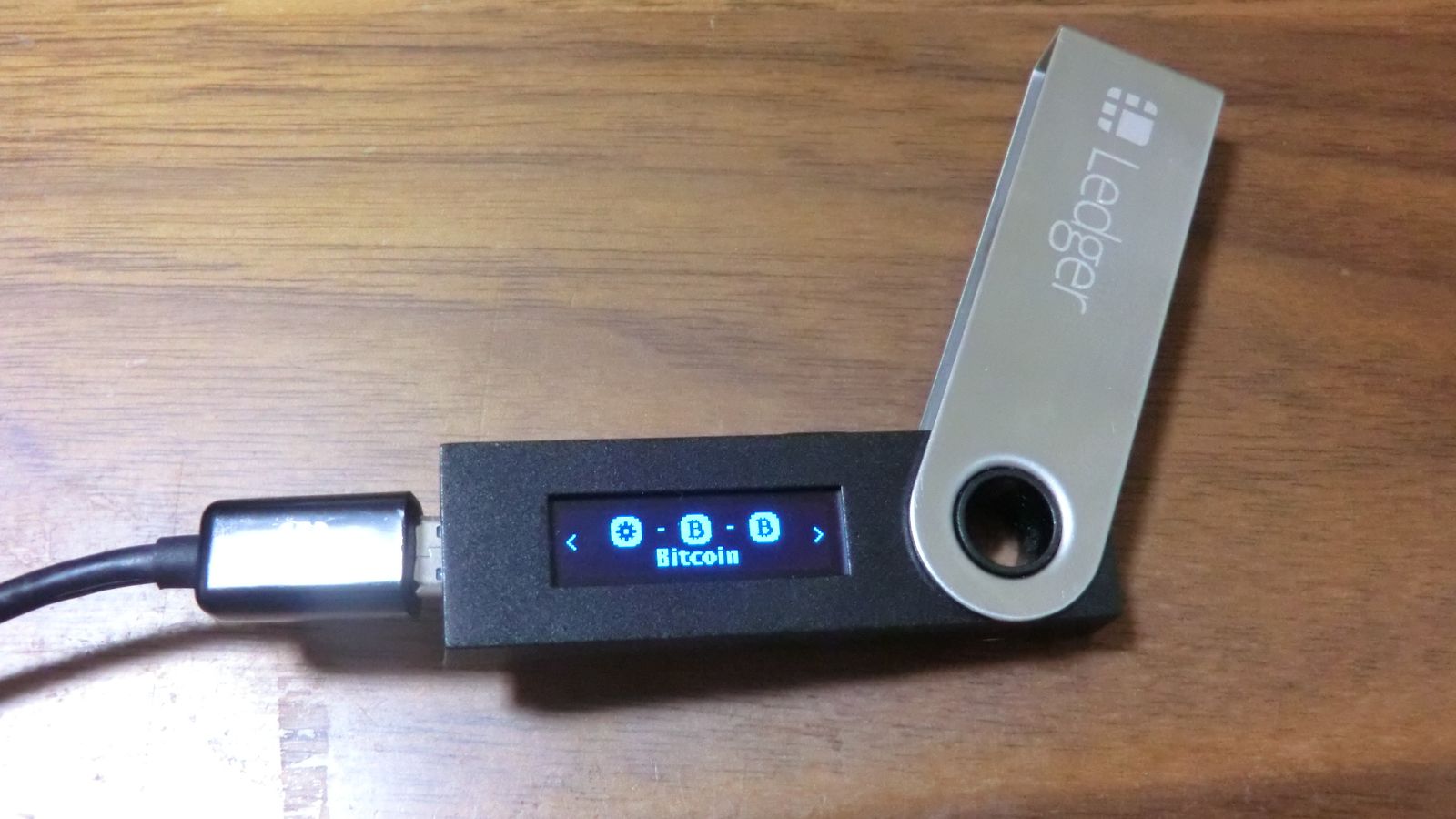
A crypto wallet does not store coins. It stores the keys that let you move coins recorded on a blockchain. Two kinds of secret matter, and they are not equal.
Private key
A private key is a large random number that controls a single address. Anyone who has it can sign transactions from that address. Wallets sometimes let you export one key, for example to import a single account into another app.
Seed phrase
A seed phrase, also called a recovery or mnemonic phrase, is usually 12 or 24 words. From it, the wallet mathematically derives a whole tree of private keys, one for each account and often for several blockchains. Most modern wallets follow the BIP-39 standard, so the same phrase restores the same accounts in other compatible wallets.
That makes the seed phrase the master secret. Leaking one private key exposes one address; leaking the seed phrase exposes everything the wallet ever created, including accounts you add later.
How to protect them
- Write the seed phrase on paper or metal and store it offline. Do not photograph it, type it into notes apps or store it in cloud storage.
- No legitimate support team, airdrop or "wallet validation" site will ask for it. A request for your seed phrase is a scam.
- Consider a hardware wallet, which keeps keys on a separate device and asks you to confirm each transaction.
- For large amounts, look at multisignature wallets, which need several keys to approve a transfer.
What a passphrase adds
Some wallets support an optional extra word, often called the 25th word. It creates a different set of accounts from the same seed phrase. It adds protection but also another secret you must not lose.
Key takeaways
- The seed phrase controls every account in the wallet.
- Never enter it on a website.
- Store it offline and plan how a trusted person could recover it if needed.
#security#wallets#seed phrase#private key#self-custody
Corrections
No corrections have been issued for this article.
Spotted an error? See our editorial and corrections policy or contact us.
Information only — not financial advice.