How a crypto exchange decides to list a token
A listing announcement can move a token's price, but the process behind it is rarely visible. Here is what exchanges typically review, and the listing scams to avoid.
By CoinGeography Editorial Team
Published · 2 min read
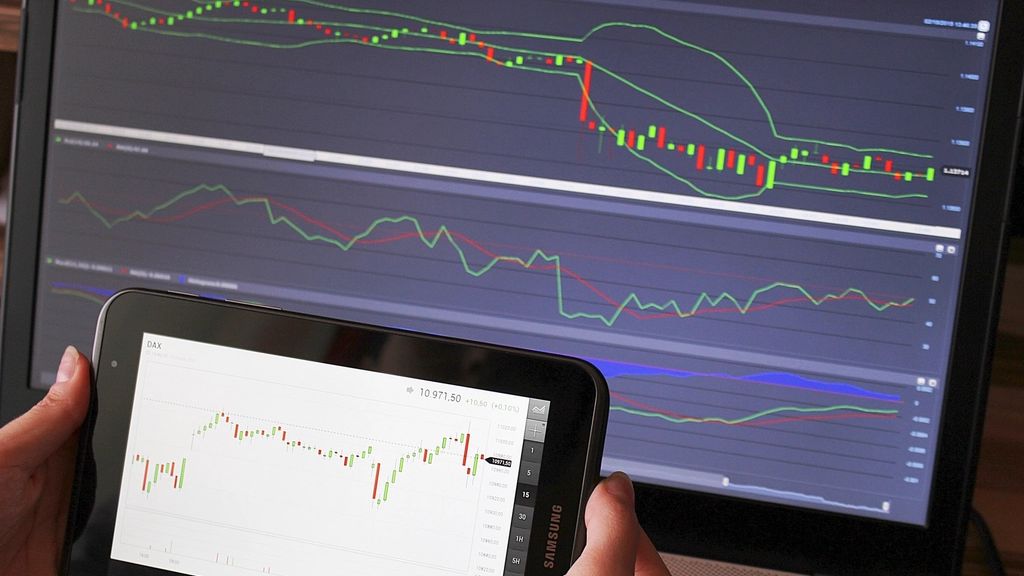
For a centralised exchange, adding a token is a business and compliance decision. A listing can bring trading fees and new users, but listing an asset that later collapses, or that regulators treat as an unregistered security, carries real costs.
What exchanges usually review
- **Legal status.** Whether the token may count as a security or other regulated instrument in the markets the exchange serves.
- **Technical security.** Smart-contract audits, admin keys, upgrade powers and whether the token can be frozen or minted at will.
- **Team and backers.** Identifiable founders, investors and a track record.
- **Liquidity and demand.** Trading activity elsewhere, community size and whether market makers will support the order book.
- **Token distribution.** How concentrated holdings are, and the unlock schedule.
Exchanges publish their final decision as an announcement with the trading pair and start time. Some also run a "seed" or "innovation" zone with extra risk warnings for newer assets.
Do projects pay to list?
Practices vary. Some exchanges say they never charge listing fees; others require marketing commitments, deposits or token allocations. Fees are rarely disclosed in full, so a listing alone is not an endorsement of quality.
Listing scams
- Fake "listing agents" who promise a listing on a major exchange for a fee.
- Impostor announcements on social media before the exchange posts anything.
- Tokens with the same name as a newly listed one, deployed to catch buyers on decentralised exchanges.
Always confirm a listing on the exchange's own announcement page, and check the contract address it publishes.
Key takeaways
- Listings involve legal, technical and commercial checks.
- A listing is not an audit or a recommendation.
- Verify announcements and contract addresses at the source.
#exchanges#listings#due diligence#scams
Corrections
No corrections have been issued for this article.
Spotted an error? See our editorial and corrections policy or contact us.
Information only — not financial advice.